Commercial roofing is a different trade than residential. The materials are different (membrane, not shingle), the geometry is different (low-slope or dead-flat with internal drains, not pitched with gutters), the failure modes are different (seam failure, ponding, drain backup), and the customer's concern is different. A homeowner cares mostly about the roof keeping the house dry and lasting until they sell. A building owner cares about tenant downtime, warranty terms, the carrier's risk-engineering report, and whether the work can be sequenced around the businesses operating in the building.
We run a full commercial division alongside the residential side, part of the same Fort Walton Beach company Keith Rockman founded. The commercial crews are dedicated to membrane and metal work. That's what they install every day. A dedicated commercial estimator scopes your job, and the project manager on your reroof has run dozens of low-slope tear-offs in Escambia, Santa Rosa, Okaloosa, Walton, and Bay counties. The same crews roof the buildings we construct ourselves; see our commercial construction work in Fort Walton Beach.
If you're a building owner, property manager, or HOA board looking at a leaking commercial roof, this page lays out how we handle it: what commonly fails, the systems we install, how we sequence the work around your tenants, and what your warranty actually covers when you need it.
Why commercial work on the panhandle has its own problems
The Gulf Coast climate is brutal on low-slope membranes. Eight months of UV at southern latitudes, three months of 95-degree heat with humidity, surface temperatures on a black mod-bit roof that hit 160°F by noon, and the salt air corroding every fastener, edge metal, and termination bar within ten miles of the water. A membrane that's rated for 20 years in Ohio will lose seam integrity here by year 15. We've torn off plenty of TPO that was installed during the mid-2000s building boom and looks chalky and brittle a decade earlier than the spec sheet suggested.
Then there's the storm exposure. Hurricane Sally in 2020 ripped membrane off a lot of strip-mall and warehouse roofs across Pensacola and Pace, especially where the perimeter edge metal wasn't installed to current FBC wind requirements. Michael in 2018 was worse in Bay County: entire roof assemblies came off light commercial buildings. Florida Building Code has tightened commercial wind-uplift requirements significantly since the early 2000s, and most commercial buildings in our service area built before about 2010 weren't installed to the current standard. Re-roof work is also the opportunity to bring the assembly up to code.
The third thing is drainage. Flat commercial roofs on the panhandle have to move a lot of water fast. A thunderstorm here can drop two inches in 45 minutes, and a roof that ponds will fail at the ponding point first. Drains, scuppers, and tapered insulation are details that get rushed by cheap installers and cost the building owner the most in the long run. We design the drainage plan as part of the re-roof, not as an afterthought.
What our commercial work covers
- Full tear-off and re-roof of TPO, EPDM, modified bitumen, and built-up roofs
- Recovers: adding a new membrane over an existing assembly when the substrate is sound and code allows it
- Standing seam and exposed-fastener metal panel roofs on commercial buildings (warehouses, retail, agricultural)
- Tapered insulation design and installation to correct ponding and improve drainage
- Edge metal, coping, parapet wall, and termination details to current FBC wind requirements
- Drain, scupper, and overflow scupper detailing, including replacement of failed internal drains
- Flashing replacement at HVAC curbs, skylights, hatches, vent stacks, and parapet walls
- Warranty coordination with major manufacturers (Atlas, Carlisle, Versico, Firestone), including NDL warranties where the spec calls for it
- Storm response and emergency dry-in for commercial roofs after hurricane damage
How a commercial roof project runs
- 01
Site walk and assessment
Building owner or property manager calls; we schedule a roof walk. We look at the existing assembly (membrane type and age, insulation, deck condition, drainage), document failure points, and take core samples if the spec calls for it. You get a written assessment with photos, the recommended scope, and the realistic remaining life of the current roof if you're deciding between repair, recover, or replace.
- 02
Scope, materials spec, and bid
We write a bid that names the membrane manufacturer and thickness (60 mil TPO, 90 mil EPDM, two-ply mod-bit), the insulation R-value and tapered design, the edge metal and termination details, and the warranty term. If the spec is being driven by an architect or owner's rep, we bid to their drawings; if we're driving the spec, we recommend what we'd put on our own building.
- 03
Permits, scheduling, and tenant coordination
Commercial permits in Escambia and Santa Rosa typically run 2-4 weeks; larger municipalities can be longer. While we wait, we coordinate with the building owner and any tenants on access, dumpster placement, crane staging if mod-bit kettles are involved, and which days of the week make sense for noisy work. Retail and restaurant clients usually want tear-off work done on Mondays and Tuesdays, not weekends.
- 04
Tear-off, dry-in, and substrate prep
Tear-off is sequenced so we never leave more roof open than we can dry-in by end of day. Insulation gets pulled, the deck is inspected, soft or wet decking is replaced. Then new insulation goes down, mechanically fastened or adhered per the wind-uplift spec, followed by cover board where the assembly calls for it. The whole assembly is engineered for the building's specific wind zone, not generic.
- 05
Membrane installation and detail work
Membrane goes down per manufacturer spec: heat-welded seams on TPO, fully adhered or mechanically fastened, depending on the assembly. The bulk field of the roof is the easy part. The detail work (edge metal, parapet flashing, drain bowls, pipe boots, HVAC curbs) is where most commercial roofs leak, and it's where we spend the most labor. Every termination bar gets sealed, every penetration gets a proper boot.
- 06
Manufacturer [inspection](/services/roof-inspections), warranty, and final close-out
On NDL (no dollar limit) warranty jobs, the manufacturer's inspector walks the roof with us before sign-off. We submit warranty paperwork, the permit closes with the local building department, and you get a binder: warranty certificate, drainage drawings, material specs, photos of the assembly going in, and a maintenance schedule. Most NDL warranties require an annual inspection by a certified contractor to stay in force. We can run those for you on a maintenance agreement.
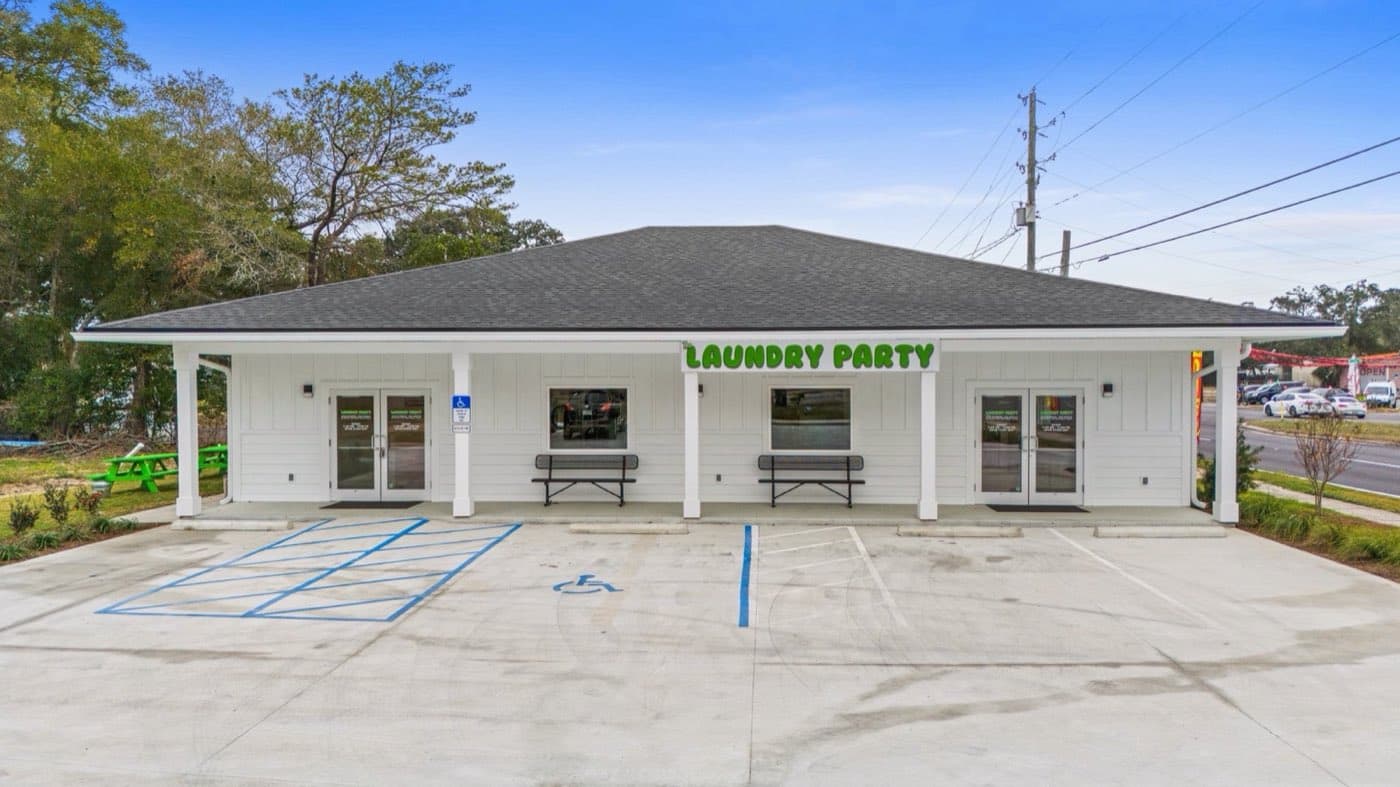
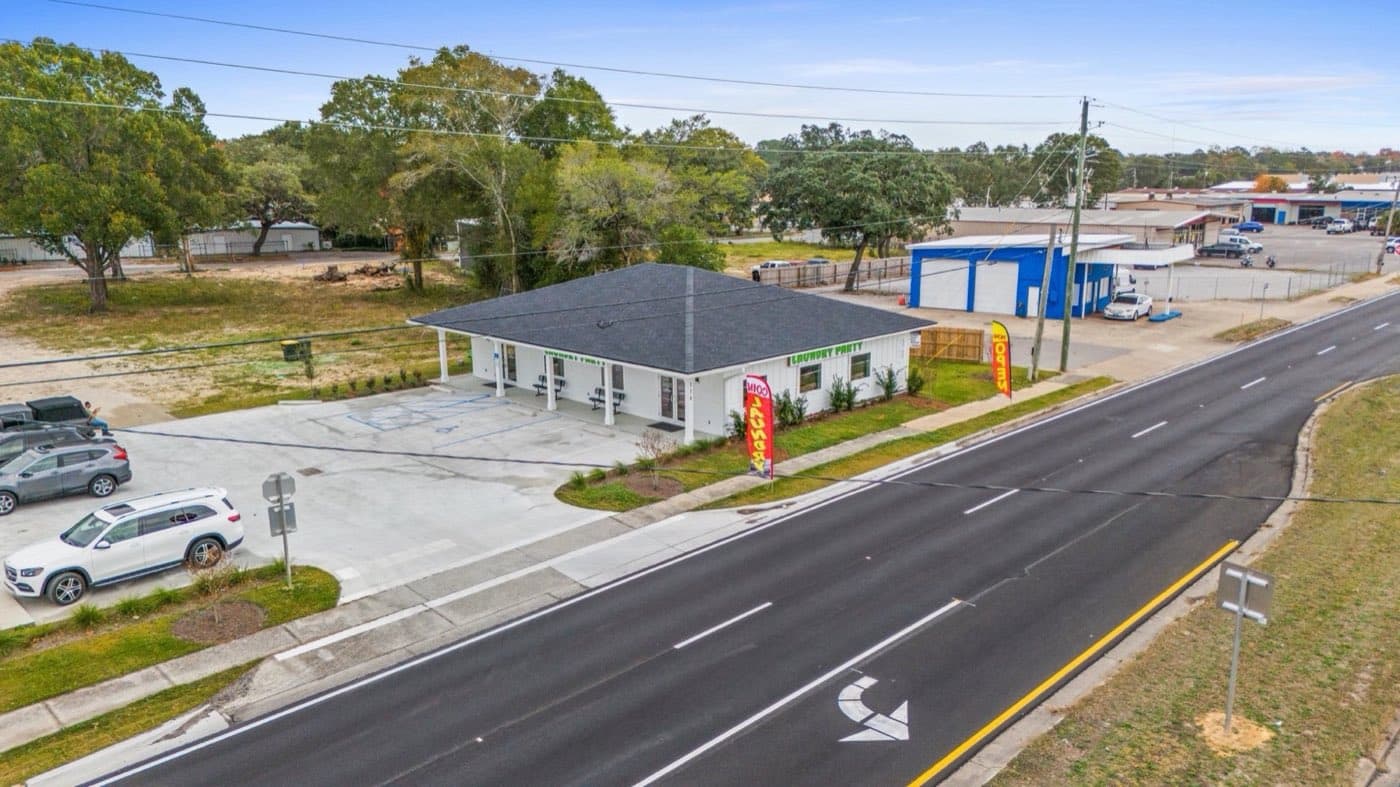
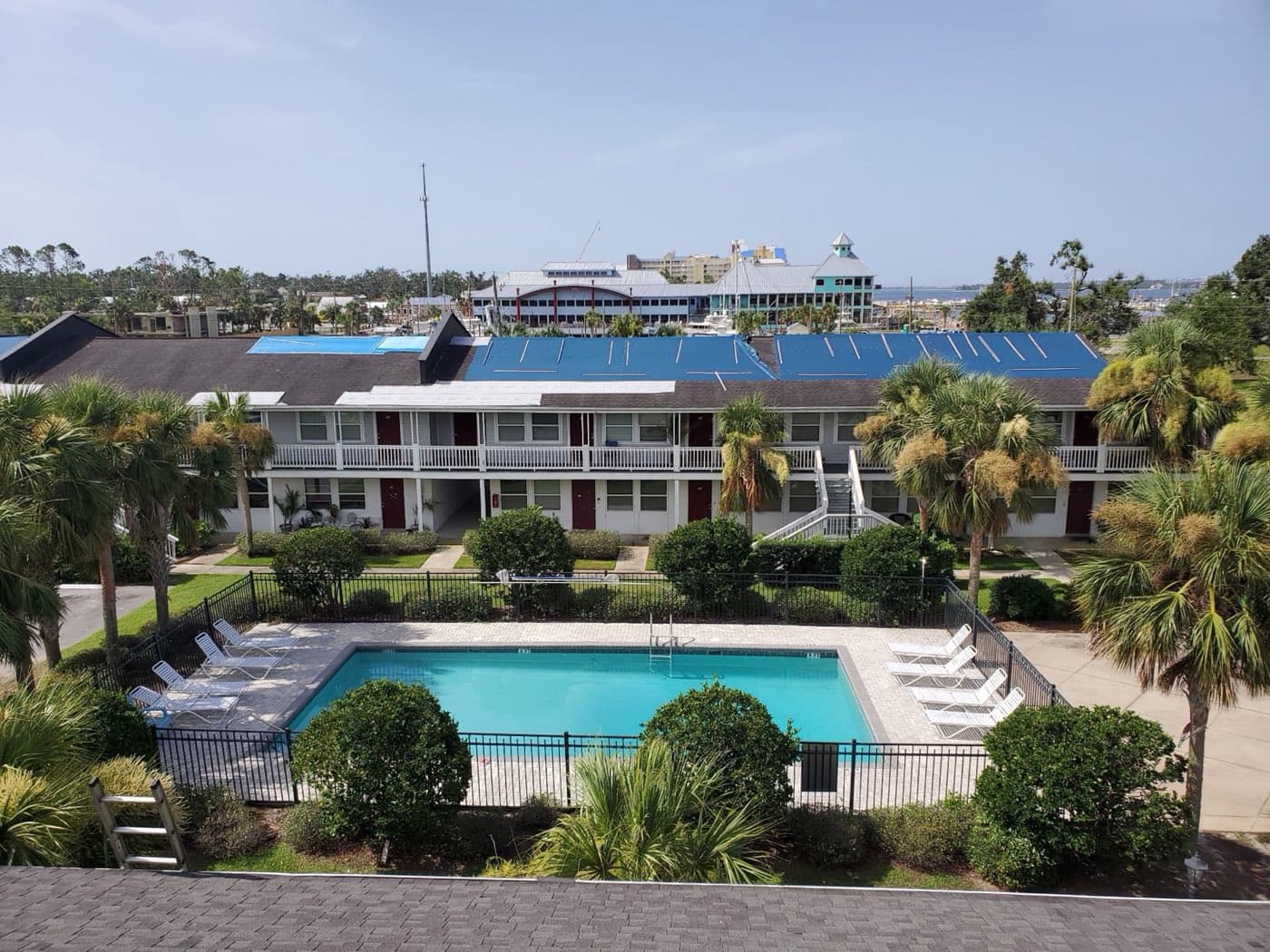
Commercial Roofing jobs around the panhandle
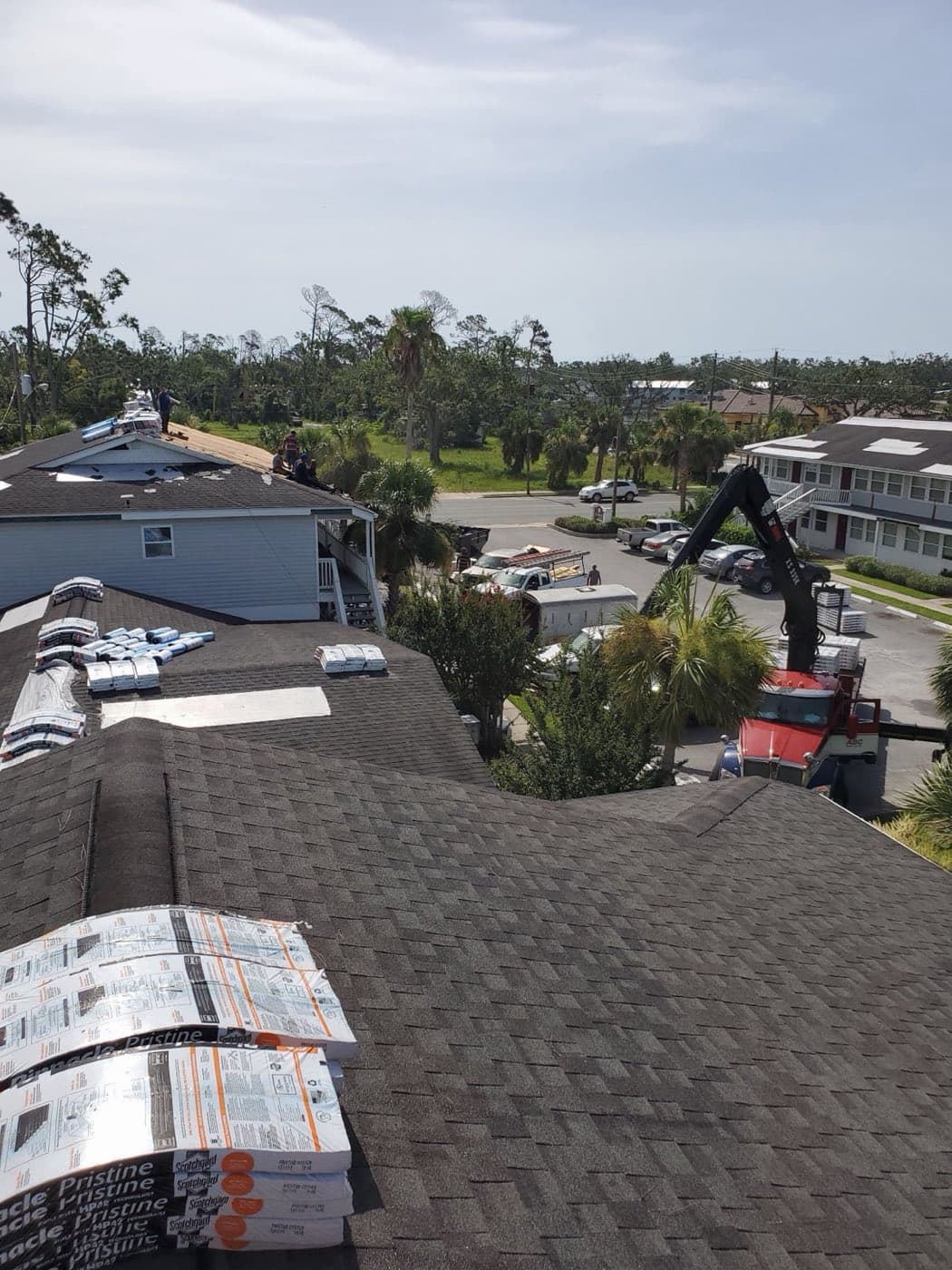
What we install on commercial roofs
Choice of membrane depends on the building's use, the existing structure, the warranty term you want, and the budget. Here's what we work with most and where each system fits.
TPO membrane (60-80 mil)
The most common single-ply membrane for new commercial work on the panhandle. White surface reflects heat (lower cooling load on the building), heat-welded seams are reliable when installed by an experienced crew, and 20-25 year manufacturer warranties are standard. We install Carlisle, Versico, and Atlas TPO most often. Best for retail, light industrial, multifamily, and any building where roof reflectivity matters for the HVAC load.
EPDM (60-90 mil)
Black single-ply rubber membrane, around longer than TPO and with a proven track record. Doesn't reflect heat like TPO does, but it tolerates ponding better and seams are typically adhesive or tape, less dependent on the welder's skill. Good fit for buildings with heavy HVAC traffic where flexibility matters, and for re-roofs where the existing assembly was EPDM and the substrate is sound. 20-30 year warranties available.
Modified bitumen (2-ply or 3-ply)
Asphalt-based, granulated cap sheet, torch-applied or cold-applied. The traditional commercial roof, what most flat roofs were before single-ply took over. Still the right choice on a lot of older buildings where the parapet detailing and existing drains favor a built-up replacement. Robust against foot traffic, easy to repair, 15-20 year service life. We install mod-bit on a regular basis, mostly on light industrial and older retail.
Standing seam metal panels
For commercial buildings with enough slope to drain a panel system: warehouses, agricultural buildings, some retail. Concealed-fastener standing seam carries 40-year material warranties and holds up to coastal salt air better than any membrane system. Higher up-front cost than TPO or mod-bit, but the lifespan and storm resistance make it the right choice for owners holding the building long-term.
Exposed-fastener metal (R-panel, 5V)
Cheaper metal option for agricultural buildings, storage facilities, and budget light-commercial work. Shorter lifespan than standing seam (fasteners back out under thermal cycling), but a real option where the building use and budget don't justify standing seam. We install where it makes sense and recommend against it where it doesn't.
What drives commercial roof cost
Commercial roofing is priced per square foot installed, but the per-square-foot number swings widely based on the system, the assembly, and the building's complexity. A simple TPO re-roof on a square warehouse with two drains and clean parapets prices differently than a retail center with twenty HVAC units, four skylights, and an asphalt-overlay tear-off. We bid commercial jobs in detail: line items for tear-off, insulation, membrane, edge metal, drains, flashings, and warranty cost. Not a per-square cliché.
The other thing that matters on commercial is the cost of downtime. If your tenants need to stay open during the work, the schedule has to accommodate that, and the sequencing costs labor. We bake that into the bid honestly rather than discovering it mid-project.
- Membrane system: TPO and EPDM are mid-range; standing seam metal is the upper end; mod-bit varies
- Insulation R-value and whether tapered insulation is required to correct drainage
- Tear-off vs recover: recover saves the tear-off labor but isn't allowed on every assembly
- Edge metal, coping, and parapet detail complexity
- Number and condition of drains, scuppers, and HVAC penetrations
- Wind-uplift spec: perimeter and corner zones require more fastening than the field
- Warranty term and whether the manufacturer requires an inspection-driven NDL warranty
- Site logistics: crane access, dumpster placement, tenant coordination
Why building owners call us
Dedicated commercial crews
Our commercial division installs membrane and metal full-time. That's what they do every week, not a side capability when residential is slow. The estimator, the project manager, and the crew foreman have all run dozens of low-slope jobs in the panhandle and know the local code interpretation.
Manufacturer certifications that actually matter
Atlas Pro Plus Diamond (the top Atlas contractor tier) plus authorized applicator status with the major commercial membrane manufacturers. That means your warranty registers correctly the first time and the manufacturer's rep takes our calls when there's a question. NDL warranty jobs go in the way the manufacturer wants them installed.
We sequence around your tenants
If your building's a multi-tenant retail center or a working warehouse, we plan tear-off and dry-in around your operations. No leaving the roof open over a tenant's stockroom on a Friday afternoon. We coordinate with property managers on access, noise, dumpster placement, and which areas can be worked when.
We're not going anywhere
Storm-chaser commercial outfits show up after a hurricane, low-bid the work, install fast, and disappear before the warranty claims start. We've been at the same Fort Walton Beach office for decades and we've been the warranty contact on roofs we installed decades ago that are still under their original NDL warranty. Long-term presence is the whole point.